
Posting on social media is easy. Knowing what to post, who you’re posting for, and why it matters to the business is much harder.
Many businesses fall into the same routine: publish a few posts, share a promotion, check the likes, and repeat. When results don’t improve, social media starts to feel like a task rather than a marketing channel.
A well-planned Social Media Strategy changes that. Instead of creating content simply to stay active, businesses can use social media to build awareness, engage the right audience, drive website traffic, and generate opportunities.
The good news is that a useful content strategy doesn’t need to be complicated. It needs to connect your business goals with the people you want to reach and the content they actually care about.
Start With What You Want Social Media to Accomplish
Before planning a month’s worth of posts, decide what social media needs to do for the business.
Your goal might be to:
- Build local brand awareness
- Generate website traffic
- Increase engagement
- Generate leads
- Support sales
- Educate potential customers
- Build relationships with existing customers
- Promote a new product or service
Different goals require different content.
For example, a contractor trying to generate leads may focus on project photos, customer questions, service explanations, and calls to request an estimate. A restaurant may focus more heavily on visual content, promotions, customer experiences, and community activity.
This is where social media should connect with your broader Digital Marketing Strategy. Your social channels shouldn’t operate separately from your website, SEO, email marketing, or paid campaigns.
For a broader look at how these channels can work together, [Read: Social Media Ecosystem Strategy: Leveraging Content, Paid Ads & SEO for More Leads].
Strategy Is More Than a Posting Schedule
A content calendar tells you when to publish.
A strategy explains why you’re publishing.
That’s an important distinction.
Without a strategy, the question is usually:
“What should we post today?”
With a strategy, the question becomes:
“What does our audience need to know, and how can this content move us toward our business goal?”
That difference helps prevent random posting.
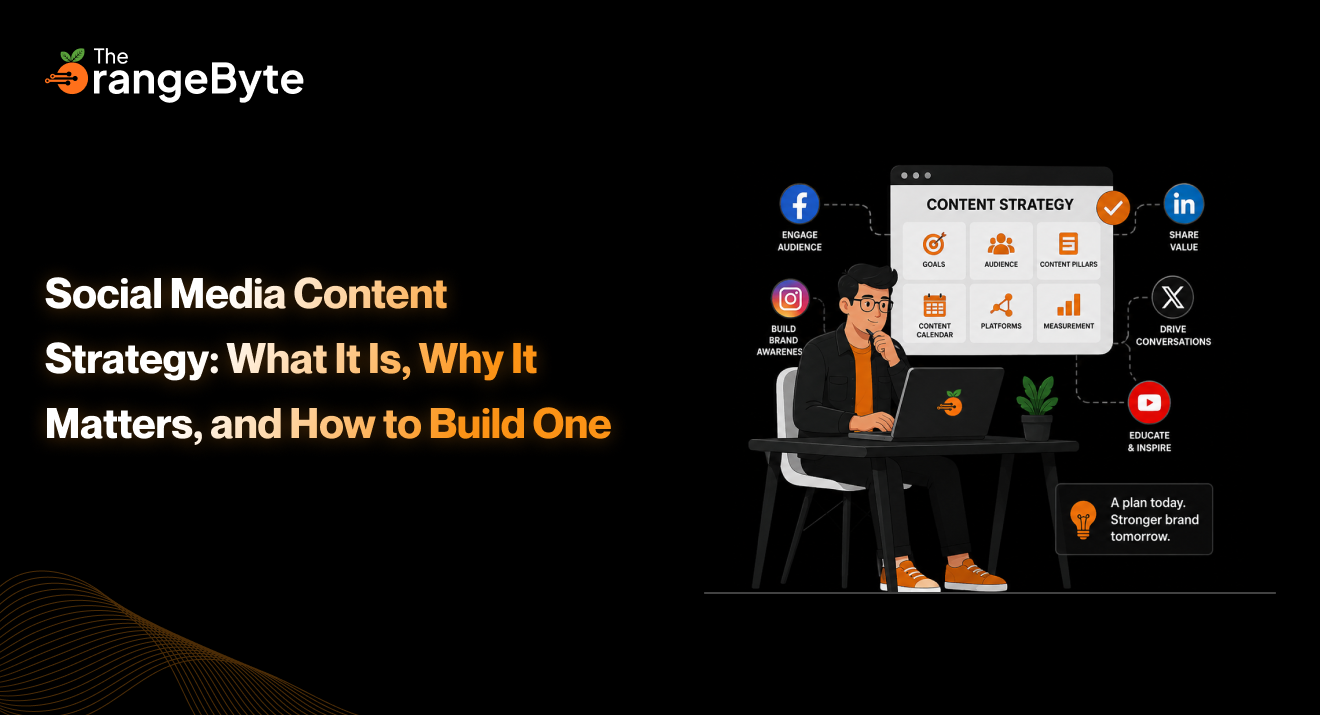
A strong Social Media Marketing approach considers the audience, platform, content format, business objective, call to action, and expected outcome before creating content.
It also gives your team a framework for deciding what not to publish.
Know Who You’re Actually Talking To
Great content isn’t designed for everyone.
It is designed for the people most likely to care about your product, service, or expertise.
Start by identifying:
- Who your ideal customers are
- What problems they experience
- What questions they ask
- What influences their buying decisions
- What objections may prevent them from purchasing
- What information they need before taking action
A Greenville healthcare provider, for example, may create content answering common patient questions. A local contractor might explain common home-repair problems. A professional services company could share practical advice that demonstrates its expertise.
The point isn’t simply to make content relevant.
It’s to make the audience think, “This business understands my problem.“
That is far more valuable than chasing content trends that have little connection to your customers.
Build a Few Content Pillars You Can Stick With
One of the easiest ways to make social media planning manageable is to establish several recurring content pillars.
These are broad topics your business can consistently create content around.
A service-based company might use:
- Educational content — tips, explanations, and answers to common questions
- Proof and results — customer stories, projects, reviews, and case examples
- Behind the scenes — people, processes, culture, and day-to-day work
- Industry insights — trends, observations, and useful information
- Promotional content — services, offers, products, and calls to action
This mix prevents your feed from becoming one long sales pitch.
Promotional posts have their place, but audiences generally have little reason to follow a business that only talks about itself.
Educational and useful content gives people a reason to keep paying attention.
Don’t Treat Every Platform the Same
A common mistake is creating one post and copying it across every platform without considering the audience or format.
Each platform has its own strengths.
Facebook can work well for local community engagement, promotions, customer conversations, and longer updates.
Instagram is particularly useful for visual storytelling, short-form video, products, services, and behind-the-scenes content.
LinkedIn can be valuable for B2B companies and professional services that want to demonstrate expertise, share industry insights, or build professional relationships.
The answer isn’t to be everywhere.
A business is often better off doing a great job on two relevant platforms than maintaining five accounts with inconsistent content.
Choose platforms based on where your customers spend time and what type of content your business can realistically produce.
Turn Your Ideas Into a Content Calendar
Once your goals, audience, platforms, and content pillars are clear, turn them into an actual publishing plan.
A simple content calendar can include:
- Publishing date
- Platform
- Content topic
- Format
- Caption or key message
- Visual requirements
- Call to action
- Campaign information
- Status
You don’t need to plan every post six months in advance.
For many small businesses, planning several weeks at a time provides enough structure while leaving room for timely content, local events, trends, and unexpected opportunities.
The important thing is consistency.
A realistic calendar that your team can maintain is much more useful than an ambitious plan that gets abandoned after two weeks.
Create Content Worth Stopping For
A content strategy tells you what you should communicate. The next challenge is making people pay attention.
Useful formats include:
- Short-form videos
- Carousels
- Educational posts
- Customer stories
- FAQs
- Polls
- Product demonstrations
- Before-and-after content
- Behind-the-scenes posts
- User-generated content
- Industry tips
Try to make each piece of content do one clear job.
It might answer a question, demonstrate expertise, show a result, start a conversation, or encourage someone to take the next step.
For more practical ideas around creating attention-grabbing posts, read: Creating Scroll-Stopping Social Media Content: Tips & Tools.
The goal isn’t to make every post go viral.
It’s to consistently create content that is useful or interesting to the people you actually want as customers.
Where Paid Advertising Fits In
Organic social media and Paid Advertising can support each other.
Organic content helps businesses maintain a presence, build relationships, and demonstrate expertise. Paid campaigns can provide additional reach and place specific messages in front of targeted audiences.
Businesses might use paid campaigns to:
- Promote a high-performing post
- Generate leads
- Advertise a special offer
- Reach a specific local audience
- Support a product launch
- Retarget people who previously interacted with the business
Paid advertising shouldn’t be used to compensate for a completely unclear strategy.
Instead, identify what you want to accomplish first, then decide whether paid promotion can help you reach that goal faster or more precisely.
This creates a more connected approach to Social Media Marketing, rather than treating paid ads as a separate activity.
Give Your Audience a Clear Next Step
Getting attention is only part of the job.
If social media is expected to contribute to business growth, people need a reasonable next step.
Depending on your goal, that might be:
- Visit your website
- Request an estimate
- Schedule an appointment
- Download a resource
- Send a direct message
- Sign up for an email list
- View a product
- Contact your business
Think of the journey as:
Content → Engagement → Website or Contact → Lead → Customer
Not every post needs a sales CTA. An educational post may simply encourage people to save or share it.
But your overall strategy should make it clear how social media supports the customer journey.
Measure More Than Likes
A social media strategy needs measurement, but not every metric deserves equal attention.
Useful metrics can include:
- Reach
- Impressions
- Engagement rate
- Video views
- Website traffic
- Click-through rate
- Leads
- Conversions
- Cost per lead
- Return on advertising spend
The right metrics depend on the original goal.
If your goal is awareness, reach may matter more. If you’re generating leads, form submissions and cost per lead become much more important.
Follower growth can be useful, but a large audience doesn’t automatically translate into business results.
For a deeper look at choosing meaningful metrics, [Read: Understanding Social Media Metrics: What Really Matters for Business Growth].
Know When It’s Time to Change Direction
A content strategy shouldn’t be permanent.
Your audience changes. Platforms change. Business priorities change. Some content works while other content consistently falls flat.
Look for patterns.
If educational posts consistently outperform promotional posts, create more educational content. If short videos generate significantly more engagement than static graphics, adjust your content mix. If a platform produces little meaningful engagement or business activity despite consistent effort, reconsider how much time you invest there.
A useful cycle is:
Publish → Measure → Learn → Adjust → Repeat
That’s how a strategy becomes better over time.
The Mistakes That Make Social Media Harder Than It Needs to Be
Several common mistakes can undermine a good content plan.
Posting Without a Goal
Consistency doesn’t help much when nobody knows what the content is supposed to accomplish.
Making Every Post Promotional
People don’t follow businesses because they want advertisements all day. Give them useful information, insights, stories, and reasons to engage.
Copying Competitors
What works for another company may not work for your audience, industry, or brand.
Trying to Use Every Platform
Focus your resources where they can make the biggest difference.
Ignoring Performance Data
If you’re not reviewing results, you’re relying on assumptions.
Chasing Followers Instead of Customers
A smaller audience that engages, visits your website, and becomes customers can be more valuable than thousands of passive followers.
A Simple Framework You Can Use
If you’re starting from scratch, keep the process straightforward:
1. Define the goal
Decide what social media should accomplish for the business.
2. Identify the audience
Understand who you’re trying to reach and what they need.
3. Choose your platforms
Focus on the channels that make sense for your customers.
4. Establish content pillars
Choose several recurring themes that support your goals.
5. Create a manageable calendar
Plan content consistently without making the process unnecessarily complicated.
6. Add paid promotion where appropriate
Use Paid Advertising when additional reach or targeting supports your objective.
7. Measure the results
Focus on metrics that connect to the original goal.
8. Improve the strategy
Keep what works, change what doesn’t, and continue learning.
Build a Strategy You Can Actually Maintain
A successful social media presence isn’t about filling a calendar with random posts.
It starts with knowing who you want to reach, what you want to accomplish, what your audience needs, and how your content supports those goals.
A practical Social Media Strategy gives your team direction. A strong Digital Marketing Strategy connects social activity with other channels. And thoughtful Social Media Marketing helps turn that activity into awareness, relationships, traffic, and leads.
The strategy doesn’t need to be complicated. It needs to be intentional, measurable, and flexible enough to improve as you learn more.
If your business needs help turning scattered social activity into a more focused marketing plan, The OrangeByte can help build a strategy around your goals, audience, and growth priorities.
Frequently Asked Questions
What is a social media content strategy?
A social media content strategy is a plan that defines what a business publishes, who it targets, which platforms it uses, and how its content supports broader business goals.
How often should a business post?
There is no universal posting frequency. Consistency and relevance are more important than publishing as often as possible.
Should small businesses use paid social media advertising?
Paid Advertising can help businesses reach targeted audiences, generate leads, promote offers, and extend the reach of important content. It works best when connected to a clear overall strategy.
How do you know if a social media strategy is working?
Look beyond likes and followers. Track engagement, website traffic, leads, conversions, and other metrics connected to your business objectives.
Does a business need to be on every social platform?
No. Choose the platforms where your audience is active and where your team can consistently create useful content.