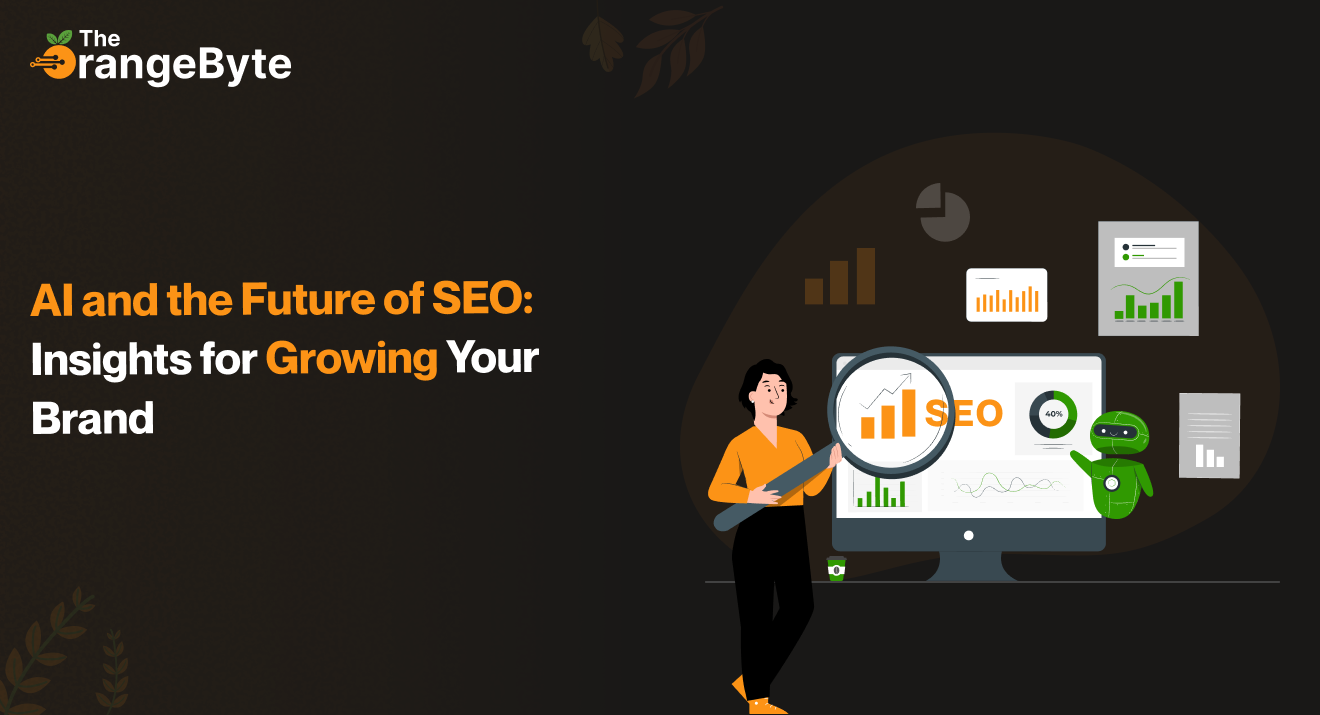

The days of just using keywords and chasing links are almost over. Searches are smarter, faster, and more natural, all because of the rise of AI. AI does more than just power voice tech or sort out results; it makes search engines care more about the user’s goals than just plain facts.
This is a big chance for brands because they need to adapt. Simple SEO tricks won’t cut it anymore in this AI-led search world. You need content that both computers and people can understand – coded for machines but rich and useful for real people.
In this post, we’ll explore how AI is changing the world of SEO and what steps your brand must take in order to stay fresh, smart, and fast.
Understanding AI-Driven SEO
AI-Driven SEO strategy, or AI SEO, mixes up smart AI tech like machine learning, how we use words (NLP), and checking data, with old ways of making your website be seen more.
Now, instead of just depending on keywords and backlinks, AI tools are doing a lot of the SEO work. They’re focusing more on user intent, why people search for things.
Even bigger, though, is how search sites like Google use AI. Tools like Google’s RankBrain, BERT, and the new Search Generative Experience (SGE) want to give you just the right help by knowing the context.
These AI setups learn not only what people type, but also why they are looking. The way content ranks, appears, and drives traffic is radically changing.
Why Is Traditional SEO No Longer Enough?
For a long time, brands have used a clear SEO plan: pick good keywords, make content that fits well, and get backlinks. That still matters, but AI and SEO are changing the game in three big ways.
Rise of “Zero-Click” Searches
One big change with AI in the SEO game is more no-click searches. Instead of sending users to sites, AI tools like Google’s Featured Snippets, Knowledge Panels, and AI Overviews show quick answers right on the search page.
Voice helpers like Siri and Alexa work the same way. That means people get what they need without ever going to a website, which hits organic visits hard.
Search Intent More Than Keywords
AI tools now prioritize understanding intent more than simple keyword matching. It’s no longer enough to rank for phrases like “best running shoes.” Your content needs to reflect what users truly want, whether that’s marathon training tips, style inspiration, or guidance on injury prevention. This shift means your words must go deeper, offering meaningful, helpful, and detailed answers that genuinely address user needs.
Personalized Search Results
Search results are far less general these days. AI generates more personalized results based on what a user has searched for in the past, what type of device they use, where they are, and what they do online.
AI sorts these things fast, making them fit right for each person. So, modern SEO plans need to aim more at personal needs and specific groups, not just at everyone.
Introducing AEO and GEO – The Next Frontier
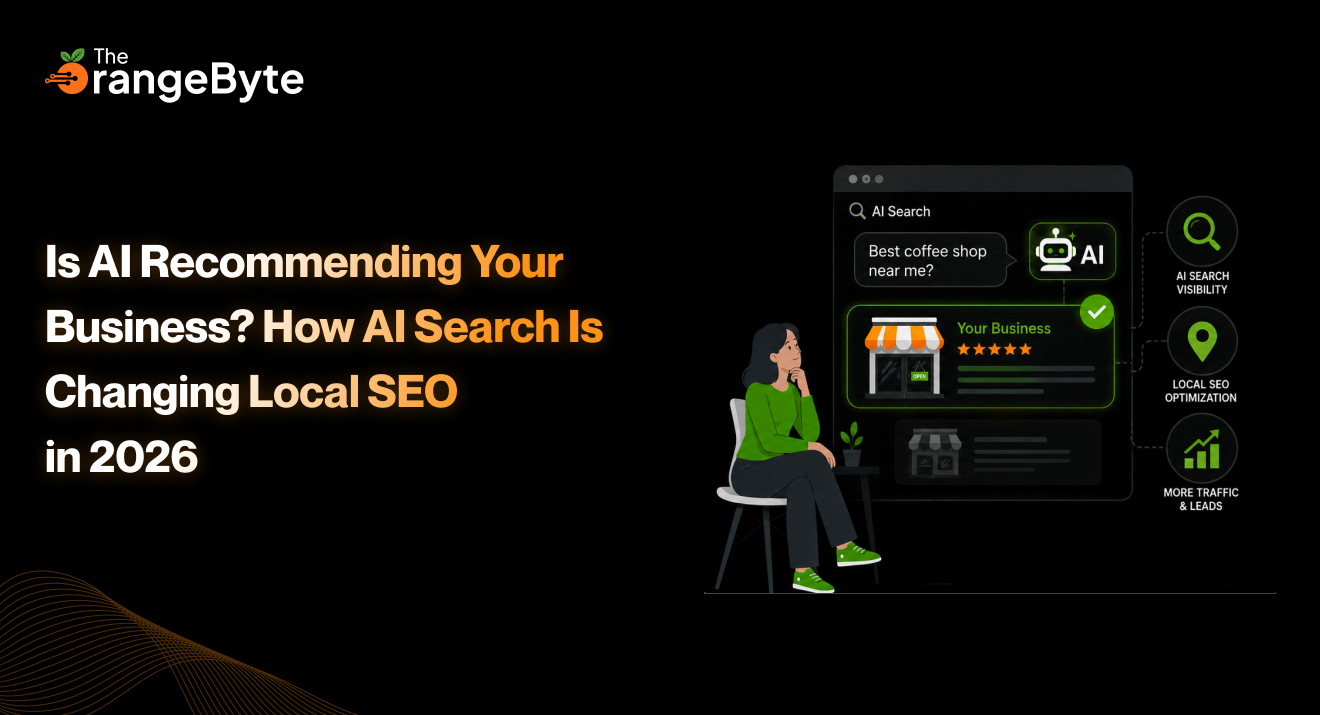
To compete in this new landscape, forward-thinking brands are embracing two key strategies: Answer Engine Optimization (AEO) and Generative Engine Optimization (GEO).
AEO: Optimizing to Be the Answer
Answer Engine Optimization works by making sure your content is primed for AI generated answers. Write clearly and conversationally, putting content in easy, chatty forms like FAQs, lists, and schema setup to help AI get to your content. The aim is not only to show up on the first page but to be the answer itself.
For instance, if someone asks, “How can I get more people to visit my website?”, a well-built, expert-filled bit on your blog might be the chunk that Google or ChatGPT picks to display.
GEO: Being Cited in AI Summaries
Getting your content to appear in AI searches, like ChatGPT, Bard, and Perplexity, takes a bit more work. Your blogs, articles, etc have to be fresh, forward-thinking, and authentic. Set up your site with llms.txt, use good sources, and keep your content up-to-date. These steps could help AI mention your brand more in their summaries.
How AI Tools Can Supercharge Your SEO Efforts?
AI is not just making new rules, it’s helping brands win. It’s helping at each step of your SEO strategy.
Smarter Keyword Discovery
AI tools like SEMrush, SurferSEO, and Frase check big data to find long-tail keywords, related search terms, and top content gaps. These tips let you aim not just at hot keywords, but good ones that fit what users want.
AI-Powered Content Creation
AI helpers like Jasper, Writesonic, or even ChatGPT can generate content plans, meta tags, product info, and more. While these tools make creating content easy, it still needs to sound human. Updating it for voice, feel, and branding is a must.
Predictive Insights & Personalization
AI tools can now predict what content will do the best, the best time to post it, and where to promote it to get the most bang for your buck.
SEO Best Practices in the Age of AI
To win in the AI-driven future of SEO, brands have to mix old strategies with new ones. Here’s how you can keep up:
User-Centric Content
Don’t just write for machines; write for people, and let AI help you know them more. Make deep, fun, and useful content that solves real issues. Use tools like Google’s “People Also Ask” and Reddit chats to find out what users really like.
Structure for Voice & AI Search
Add schema markup to make it easy for AI to find your content. Structure your web pages with clear headings (H1-H6), lists, and short recaps. Write clearly and conversationally to fit in with voice search and AI helpers.
Build Trust with Expertise
Showcase content writers as thought leaders. Add their biographies, link to sources used, and update your content regularly to keep it fresh and relevant.
Optimize for Visual & Voice Search
Use easy alt text on photos, include video transcriptions, and make sure your FAQ responses are concise to optimize for voice search, 30 – 40 words.
Real-World Impact: What This Means for Your Brand
The rise of AI in SEO isn’t only for big business. It’s a huge opportunity for all brands big and small. Small firms with special skills can now match up with bigger ones by making high-value, trusted, and well-set content. Local shops can lead in voice and phone searches. Online stores can change the whole shopping path with AI-backed product tips and clever search.
The brands that come out on top will be the ones that embrace change, not only by using AI tools, but by also knowing how AI changes how people search.
Final Thoughts: Adapt, Don’t Resist
Search engine optimization is no longer just about following algorithms. It’s about understanding human needs and machine logic. SEO consultation services and strategies must evolve to a human-meets-AI mindset.
The SEO specialist of the future is part technologist, part storyteller, and all about user satisfaction. In the new age of online search, to get a top spot, brands must build trust, meet needs, and stay seen in a place where AI leads the conversation.
At The OrangeByte, we help brands adapt to this shift by building AI-first SEO strategies that drive real growth.
The future of search is fast, smart, and AI-driven. Are you ready to lead?